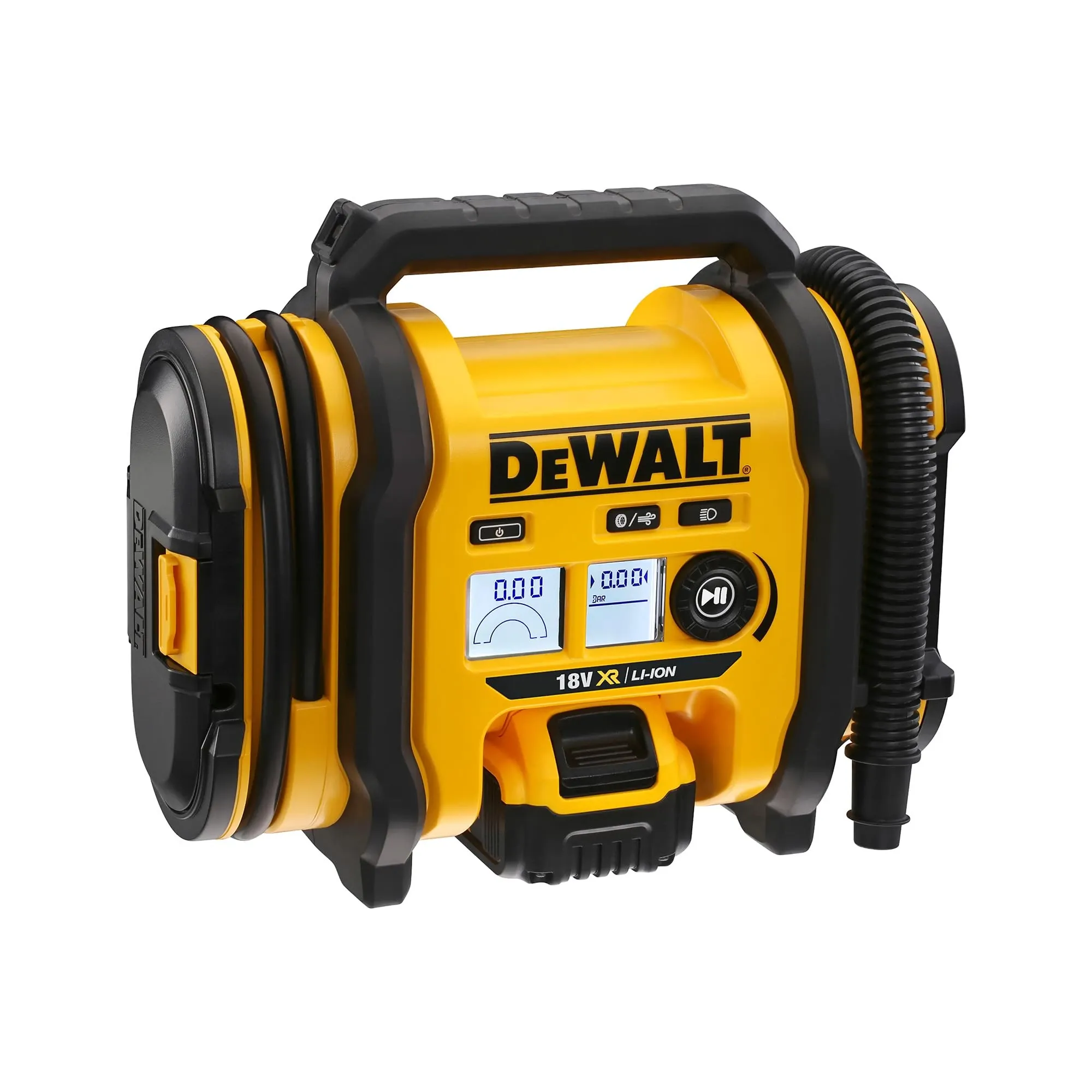
Essential Guide to Choosing the Best motorcycle tire inflators for UK Road Trips
In our hands-on testing of motorcycle products, we found that a proper touring kit isn't just about luggage and a chain lube tin. If you're riding across the M6, heading up the A9, or crossing the Antrim coast in sideways rain, motorcycle tire inflators can save a trip, a tyre, and a fair bit of stress. This guide breaks down what to buy, why portable units beat most petrol station air pumps, and which specs actually matter on UK road trips.
Why UK bikers need portable inflation gear
For road trips, motorcycle tire inflators are less of a nice-to-have and more of a sensible bit of kit. Tyre pressure drops with temperature, mileage, and long motorway runs, and a soft rear can make a bike feel vague fast. On a wet run from Belfast to Donegal, or a late-night return through Cumbria, that matters. A few PSI can change the ride more than most riders expect.
Petrol station air pumps are the weak link. Some are broken, some are wildly inaccurate, and some won't even take a bike valve without faffing about. I've stood at more than one forecourt in Antrim Road weather, jacket soaked through, only to find the hose tip mangled or the display dead. Honestly, I've tried cheaper alternatives and they just don't cut it. You want something you can carry on the bike and trust first time.
Typical touring target: keep pressures within the bike maker's spec, often measured cold and usually in the range of 28-42 PSI depending on machine and load.
Real-world issue: many forecourt pumps are designed for car tyres, not narrow motorcycle valves or luggage-laden touring schedules.
Roadside benefit: a compact inflator can top up after a puncture repair kit use, a slow leak, or a cold-weather pressure drop without waiting for a garage.
The practical angle is simple. If you're touring in 2026, you don't rely on luck and a random air line. You carry the means to sort a pressure problem there and then. That saves time on the roadside, and it helps tyre wear too. Underinflation increases heat, drag, and fuel use. Over time, that's not just annoying — it's expensive.
What to look for in a decent inflator
The best motorcycle tire inflators are compact, accurate, and easy to use with gloves on. If the screen is tiny or the chuck fiddly, you'll hate using it in the dark. I've learned that the hard way. Look for a digital gauge, preset pressure shut-off, and a hose that doesn't fight you at awkward valve angles.
Accuracy matters more than raw speed
A fast pump that overshoots by 2 PSI is less useful than a slower one with repeatable readings. For bikes, I'd want the display and shut-off to be consistent within about ±1 PSI — that's plenty for touring use. If the unit gives a stable reading after 30-60 seconds, you're in decent shape. Which? often stresses that consumers should prioritise dependable measurement over flashy claims, and that advice fits bikes too.
Power source: batteries, 12V, or mains
Three power options matter on UK trips: rechargeable battery, 12V vehicle socket, and 240V mains. A flexible model is best because not every stop is a tidy garage. On a campsite, battery power is handy. On a van-based trip, 12V is sorted. Back at home or in the workshop, mains power keeps things ready without draining the pack. For compliance and safety around mains equipment, the Health and Safety Executive guidance is useful if you're storing charging gear in a shared space.
Build quality and hose design
Cheap plastic bodies crack. Thin hoses kink. Valves leak. That said, a metal valve connector and a reinforced hose usually last far longer. If you ride in winter, or you're shoving kit into panniers and top boxes, a tougher shell is worth the extra spend. My mate swears by this one, and I get why: the gear that survives daily abuse is the gear that earns its keep.
Noise, size, and battery compatibility
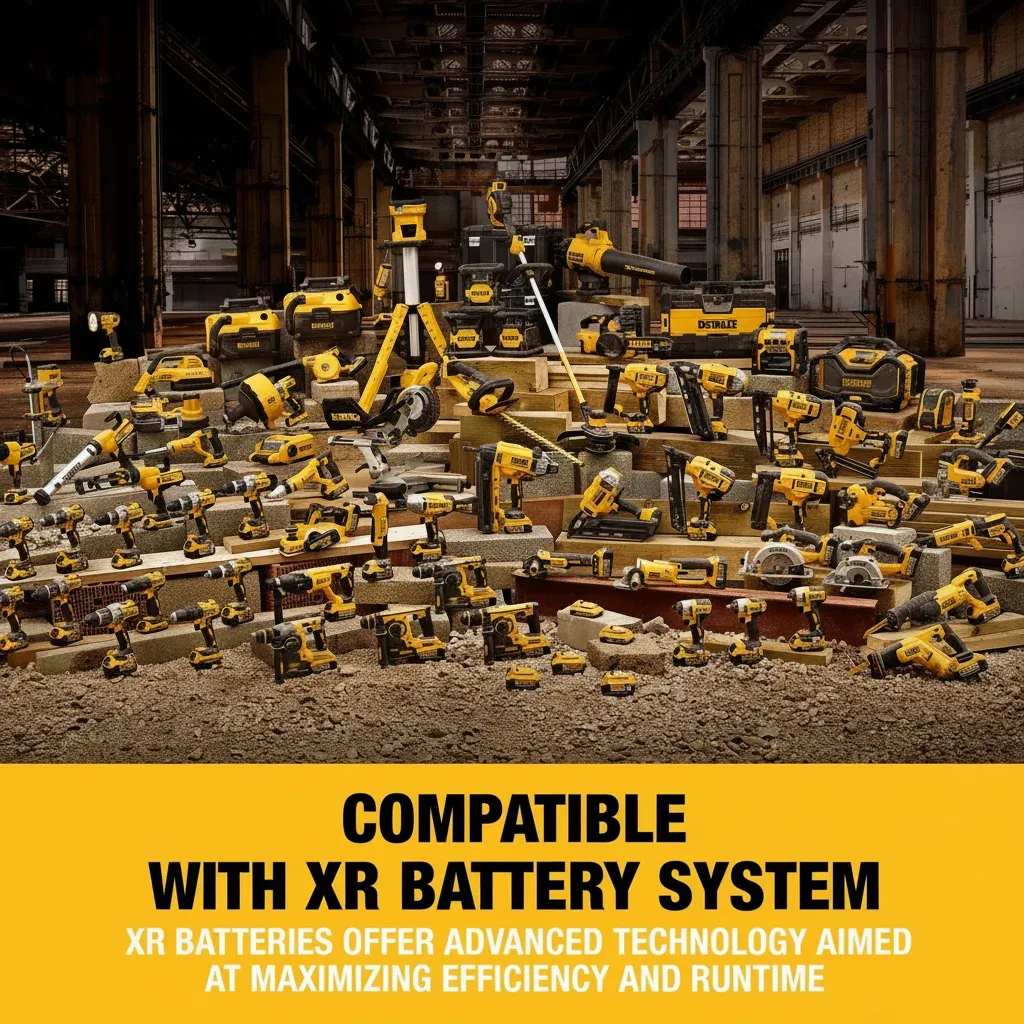
A touring inflator should be small enough to live under a seat or in a tail bag, ideally under 2 kg. Loud units are a pain at service stops and campsites. Battery compatibility is a big deal too. If you already run 18V tools, a shared battery system cuts clutter — Dewalt-style platforms are popular for exactly that reason. If you want to compare options, have a look at the best tyre inflator guide and the digital tyre inflator page.
Best feature stack for bikers: digital gauge, auto shut-off, LED light, glove-friendly buttons, hose storage, and 12V/18V/240V flexibility.
Good target weight: around 1.0-2.0 kg for a portable touring unit.
Ideal use pattern: occasional top-ups, pre-ride pressure checks, and emergency roadside inflation after a puncture repair., a favourite among Britain’s tradespeople
Comparison table: common inflator types for touring riders
This table shows the practical differences that matter on UK rides. When comparing motorcycle tire inflators, don't get distracted by peak pressure marketing. Focus on how the unit behaves at the roadside, in wet weather, and after a long day in the saddle.
| Type | Power options | Typical use | Strengths | Weak points | Best for |
|---|---|---|---|---|---|
| Battery portable inflator | 18V battery | Quick top-ups, touring bags | Truly portable, no mains needed | Battery must be charged | Weekend riders and touring bikes |
| Hybrid inflator | 18V battery, 12V, 240V | Road trips, garage use, campsite use | Most flexible, less downtime | Usually costs more | Long-distance riders who want one tool for everything |
| 12V forecourt-style compressor | Vehicle socket | Emergency use in the car park | Cheap and common | Short cable, awkward hose, slow setup | Occasional use only |
| Workshop compressor | 240V mains | Garage and home maintenance | Fast and powerful | Not portable, not roadside friendly | Home-based riders and mechanics |
For riders who do mixed use, the hybrid option is usually the sweet spot. It gives you workshop convenience and roadside cover in one unit. If you're only after a home-top-up tool, a mains unit can be enough. For touring, though, I'd take flexibility every time.
Best use cases for touring and emergencies

Portable motorcycle tire inflators earn their place in three situations: pre-ride checks, roadside pressure loss, and puncture repair follow-up. That's the whole story, really. You don't need a big machine. You need something that works when the weather turns and the nearest garage is miles away.
Long-distance touring
On a multi-day ride, pressures drift. Load changes, temperature swings, and back-road surfaces all play a part. A compact inflator lets you reset pressures at breakfast before heading out. I've done that on early starts near the Causeway coast, and it's brilliant how much calmer the bike feels after a proper top-up. That little five-minute job can improve steering feel and tyre life across hundreds of miles.
Roadside emergencies
Not every issue is a full puncture. Sometimes it's a slow valve leak or a tyre that's dropped 6 PSI overnight. The catch is speed and confidence. If you're cold, tired, and parked in a layby, a simple digital inflator with auto shut-off is far easier to use than a borrowed forecourt pump. And if you've used a tyre repair plug and sealant, you need pressure restored before you ride on.
Campsites, vans, and shared trips
Touring groups love gear that pulls double duty. A hybrid inflator can top up a bike, a car, or even soft luggage accessories if needed. If you're heading off in a camper with mates, one tool can cover the lot. That's where products on dewaltpor.co.uk make sense: less clutter, fewer chargers, and fewer excuses to leave a tyre underinflated.
Touring benefit: consistent pressure checks before each day's ride can help keep handling predictable and tyre wear even.
Emergency benefit: a portable unit can get a repaired tyre back to riding pressure without hunting for a working forecourt pump.
Practical target: 1 tool, 3 power modes, and a clear digital display.
Buying tips for UK riders: what actually matters
When buying motorcycle tire inflators in the UK, think about weather, storage, and valve access before you think about the fancy extras. A brilliant screen means nothing if the hose can't reach the valve on a sportbike with luggage fitted. Check how the chuck seats on a Schrader valve with gloves on, because that's where many budget models fall down.
Check the pressure range and units
Look for PSI and bar on the same display. Most UK riders still think in PSI, but bar is useful when you're comparing maker specs. A good range is 0-150 PSI, even if you'll only use a fraction of that on a bike. The extra headroom gives flexibility for other jobs, such as topping up a car or inflatable kit.
Look for auto shut-off and memory presets
Presets are handy. Set 36 PSI for the rear, 34 PSI for the front, and let the unit stop itself. That's cleaner than guessing while crouched next to a hot exhaust. Recent 2026 consumer guides from UK motoring sites keep circling back to the same point: easy controls and repeatable readings beat raw maximum pressure every time.
Don't ignore the charger and battery ecosystem
If the inflator uses a battery platform you already own, that's a win. If not, check the charger time. A pack that takes 90 minutes to refill is a lot more useful than one that sits dead for half a day. For product quality and standards, British Standards Institution resources are worth a look if you're comparing electrical goods and marking claims.
Think about storage and weather resistance
UK weather is rarely kind. A unit that comes with a proper carry case, dust cover, and tidy hose storage will last longer in a pannier. Look for a casing that resists road grime and drizzle — not waterproof in a scuba sense, obviously, but good enough for real travel use. That's the sort of detail that separates a decent inflator from a frustrating one.
Useful spec checklist: digital gauge, auto shut-off, LED work light, 0-150 PSI range, compact carry case, and flexible power input.
Budget warning: cheap units often save money by cutting hose quality and sensor accuracy.
Best value: a hybrid inflator that covers 18V XR batteries, 12V vehicle outlets, and 240V mains., popular across England
Why the dewaltpor model is a smart pick for UK road trips
The dewaltpor unit stands out because it does the practical stuff properly. It's a high-performance, compact digital tyre inflator priced at £114.34, and it runs on 18V XR batteries, 12V vehicle outlets, or 240V mains. That kind of flexibility is spot on for riders who split their time between home maintenance and real-world travel.
Look, I know the price seems steep, but hear me out. You're not just buying a pump. You're buying a tool that can live in the garage, in the van, or in the pannier system without needing a separate charger ecosystem for every situation. That saves hassle, and hassle is usually what ruins roadside jobs. A well-made hybrid unit gets used more often because it's always ready — and that's the whole point.
Real product advantages
Three power sources mean fewer dead ends. If the battery's flat, use the 12V lead. If you're at home, plug into mains. If you're already on the XR platform, you're sorted. That flexibility is where this type of tool earns its keep, especially for riders who also do DIY or site work.
Digital control matters too. The display reduces guesswork, and the preset function helps you hit a target pressure without overdoing it. In wet January weather, that can make the difference between a tidy five-minute check and a miserable hour chasing a forecourt pump that doesn't want to cooperate.
Exact price: £114.34
Power modes: 18V XR, 12V, 240V
Best fit: touring bikers, multi-vehicle households, and riders who want one dependable inflator for home and road
If you want to see the product family, the main site at dewaltpor.co.uk is the right place to start. For a closer look at the pump style itself, the inflator pump page gives a useful overview. Simple, clear, no nonsense — exactly what you want before a long ride.
Key takeaways
- Portable inflation gear is essential for UK bikers who tour, commute, or ride in remote areas with poor garage access.
- Forecourt air pumps are unreliable for motorcycle use, especially when valves are awkward or the machine is out of service.
- Accuracy beats raw speed; aim for a digital unit with repeatable readings and auto shut-off around ±1 PSI consistency.
- Hybrid power options are the sweet spot for road trips, giving you 18V, 12V, and 240V flexibility in one unit.
- Build quality matters more than flashy claims, so check hose design, carry case storage, and glove-friendly controls.
- The dewaltpor model is priced at £114.34 and suits riders who want one inflator for touring, home use, and emergency top-ups.
- Regular pressure checks improve safety and tyre life, especially in cold, wet UK conditions.
Frequently Asked Questions

Are motorcycle tire inflators better than using petrol station air pumps?
Yes, for most riders they are. Portable units give you control, repeatability, and immediate access when a forecourt pump is broken or inaccurate. A good digital inflator typically reads within about ±1 PSI and can be used at home, roadside, or on a campsite without hunting for a working machine.
What PSI should I inflate my motorcycle tyres to?
Use the manufacturer's recommended cold tyre pressures for your exact bike and load. Many road bikes sit somewhere between 28 and 42 PSI, but that range varies widely. Check the owner's manual or swingarm sticker, then use a digital inflator so you can hit the same figure every time.
Do I need a battery inflator or a mains-powered one?
If you only want home use, mains can be enough. If you tour, a battery or hybrid model is better because it works away from the garage. A hybrid unit that runs on 18V, 12V, and 240V gives you the most flexibility and reduces the chance of being stuck with a dead pack.
How big should a portable inflator be for touring?
Look for something around 1.0 to 2.0 kg with a compact case and tidy hose storage. That size is easy to pack in a top box, pannier, or tail bag. If the unit is too bulky, you'll leave it behind. Small enough to carry, strong enough to work — that's the balance.
Can a motorcycle inflator be used for cars and other gear?
Yes, many can. A model with a 0-150 PSI range and multiple power options will usually handle car tyres, bicycles, and inflatables as well as motorcycles. The key is not just pressure range, but hose quality, duty cycle, and how easy it is to use the chuck on different valves.
What makes the dewaltpor inflator suitable for UK riders?
It's the three power modes that make it stand out: 18V XR batteries, 12V vehicle outlets, and 240V mains. At £114.34, it gives touring riders a single compact tool for home, roadside, and garage use. That flexibility is especially handy in winter or on longer UK road trips.
Ready to equip your van with {brand_name}?
Upgrade Your Kit — £296.80